Before Sourdough Went Viral: The Fermentation Wisdom Africa Always Had
Growing up in Naledi, Soweto, fermentation wasn’t a “trend.” It wasn’t something you looked up on YouTube or found in a glossy cookbook next to a linen apron. It was simply… life.
It bubbled quietly in my mother’s pots, hid under damp dishcloths, and lived in the warm corners of our kitchens long before “gut health” became an Instagram hashtag.
But as a child, I never thought about any of that.
I only knew that my mother’s kitchen carried certain smells. They were warm and yeasty, smells I associated with a full plate of food.
Looking back now, I realise that the fermentation techniques the world celebrates today under fancy names like “artisanal,” “heritage,” and “wild yeast culture,” were woven into the everyday rhythm of Black South African households. We just didn’t package them as wellness wisdom.
We lived them.
The Foods That Raised Me (Before I Knew They Were Fermented)
I can still picture my mother making idombolo, amagwinya, and ting. A slow, natural fermentation that people around the world would pay good money to experience today under the label “probiotic.”
Then there’s the traditional African beers like umqombothi that rely on fermentation too. Clearly, not part of my diet as a child! but a normal part of the household rhythm. My culture. My heritage.
At the time, these foods didn’t seem special. They were simply part of growing up in the township. Part of how our mothers fed families with limited resources but unlimited creativity.
What I didn’t know then was that township kitchens were practicing microbiology long before anyone used the word.
Fast-Forward to Today: A Slice of Sourdough and a Search for Something Real
Here’s the irony. I’m not a big bread eater. I never have been. But every now and then, give me a slice of toast with fresh avocado and sardines, and I’m happy.
The problem? Modern supermarket bread tastes like a cardboard impersonation of food. Soft, spongy, strangely sweet… and soulless.
Where was the texture, depth, and flavour that felt like it came from actual grain and not a factory?
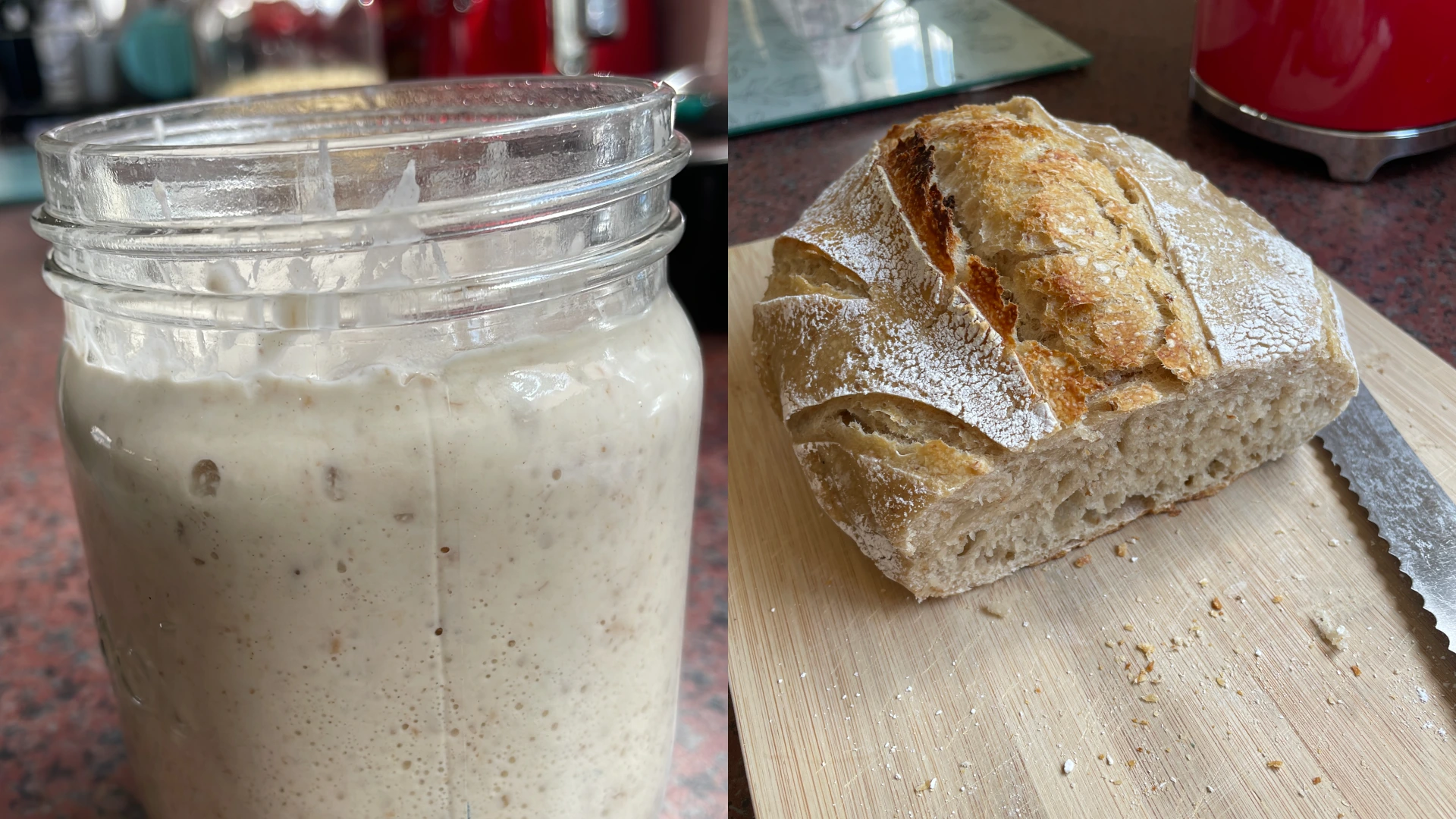
That dissatisfaction nudged me into the world of sourdough.
Not because I wanted a new hobby or because everyone on TikTok was doing it. But because I wanted something real. Something closer to the foods that quietly shaped my childhood. Foods that rose slowly, naturally, with time and intention.
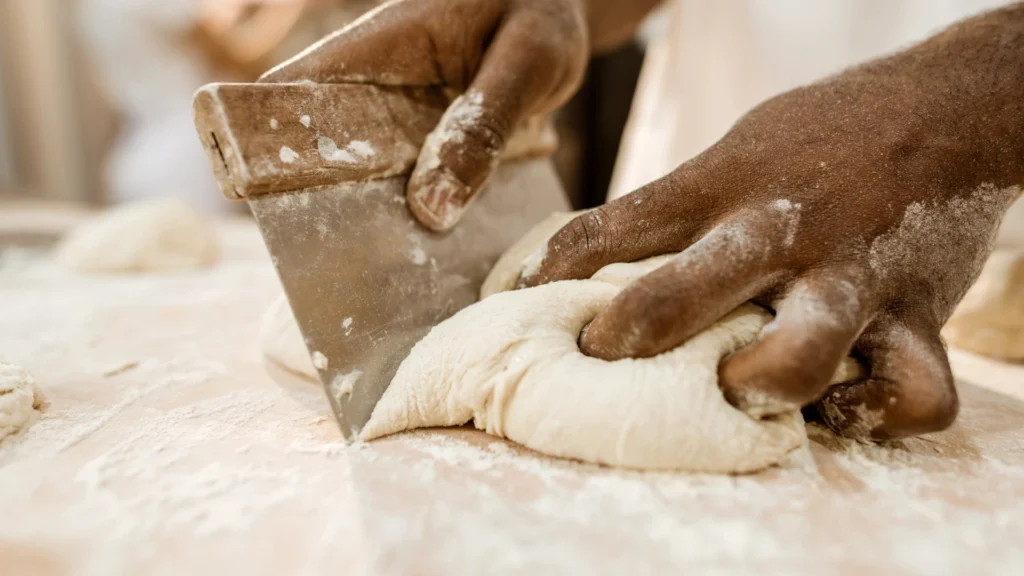
The Full Circle Moment
As I learned about sourdough fermentation, the wild yeasts, the natural bacteria, the slow rise, the tang — I had a quiet revelation.
This isn’t new.
This isn’t foreign.
This is home.
Fermentation is part of African food identity. We just never branded it.
While the world is obsessing over fermentation as the next big wellness discovery, we in South Africa have been eating fermented foods for generations. Call it mageu, umqombothi, ting, and yes, even my childhood amagwinya and idombolo. We have always known that food made slowly has a different kind of soul.
Why It Matters to Me Now
Mindful eating, for me, isn’t about perfection or performance. It’s about connection to my culture and my truth.
Fermentation as part of my mindful eating journey represents real transformation, using real ingredients that yield real nourishment. This process has its own truth, requiring time and patience. Be there in the moment and trust nature’s own intelligence, honouring what is simple and slow.
Sourdough isn’t just bread. It’s a reminder. Most “modern” wellness trends often have ancient roots, sometimes right in our own childhood kitchens in places like Naledi. The foods our mothers made, with their hands and their intuition, carried quiet wisdom.
Natural nourishment isn’t new. It’s ancestral. It’s African. And it’s worth returning to.
The Takeaway
I didn’t go searching for sourdough to become a baker.
I went searching for something real, and found myself circling, unknowingly, back to traditions I’d lived with all along.
Sometimes the new path forward isn’t new at all.
For me it’s just the rediscovery of wisdom I grew up around… before I was old enough to recognise it.