When Food Stops Being Food: Real Food vs Ultra-Processed Food
A while back, I bought those bright yellow, perfectly square cheese slices for quick sandwiches (guilty as charged!). They melted like a dream unlike real food. But one Tuesday, the plastic wrapper clung to a slice, and I actually looked at the ingredient list. It was a gut punch. It led with vegetable oil, then a parade of emulsifiers, colourants, and flavour enhancers. Actual dairy was a footnote, a mere whisper down the list.
I remember holding this slick, pliable square and thinking, What is this? When did food stop being food?
This isn’t a guilt story. It’s a moment of noticing — one that so many of us have without quite knowing what to do next. Somewhere between convenience, marketing, and our always-on lives, much of what fills our kitchen cupboards and fridges has drifted far from the natural world it claims to come from.
And the truth is: most of us don’t even realise when we’ve crossed the line.
So What Is Ultra-Processed Food? (Without the Science Lecture)
For years, the term “ultra-processed” felt like one of those nutrition buzzwords thrown around by celebrity chefs who have endless time to cook. But it’s actually simple:
Ultra-processed foods are items made mostly from ingredients you’d never keep in your home kitchen. Chemicals such as emulsifiers, colourants, stabilisers, refined isolates, artificial flavours, sweeteners, and a long list of artificial additives created to impersonate taste, texture, and freshness.
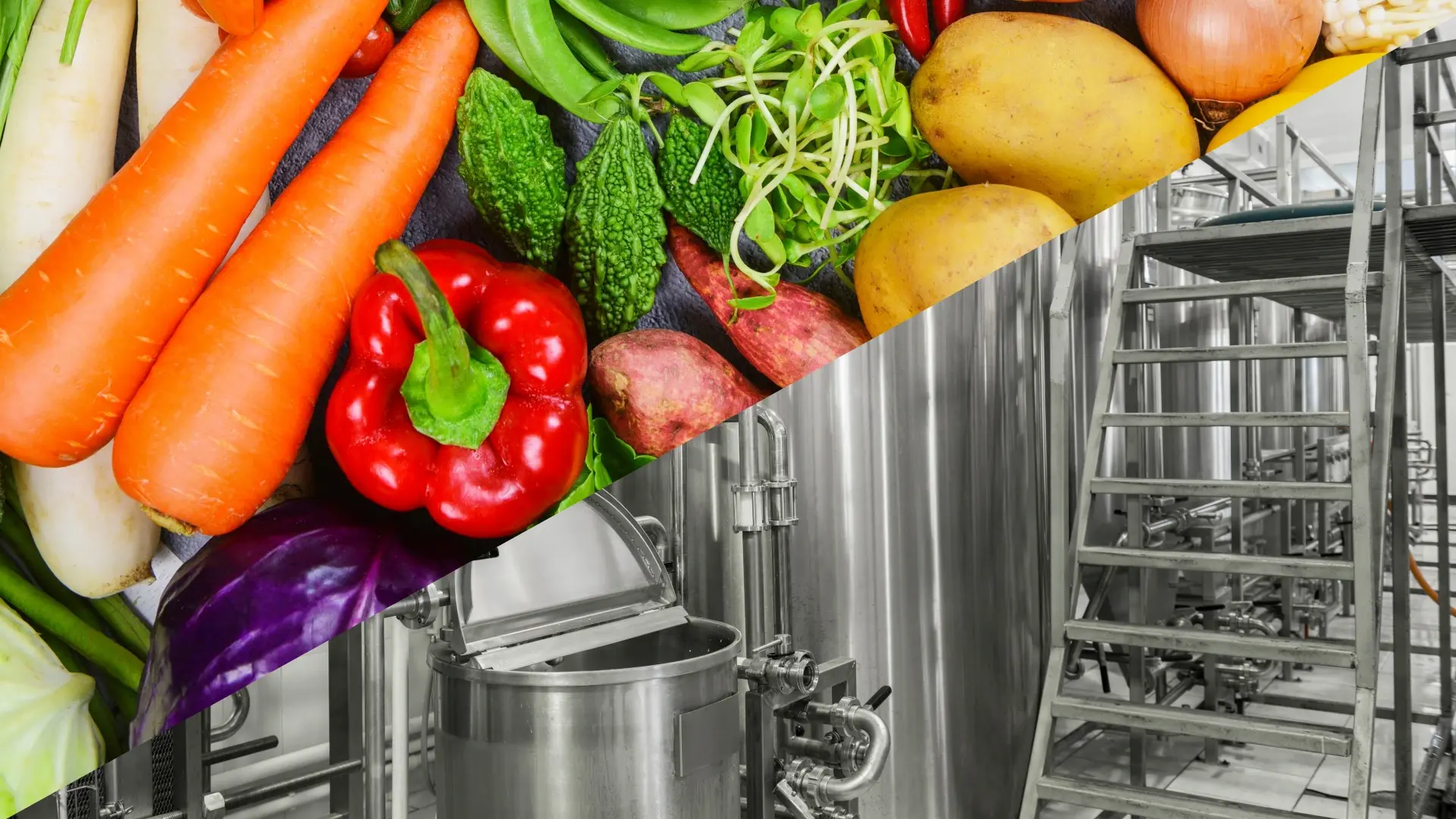
They’re foods that started out as something real… then were broken down, reshaped, dyed, sweetened, flavoured, puffed, stretched, softened, hardened, powdered, or preserved until the original ingredient barely resembles itself.
Think: a “protein bar” that reads like a chemistry set or chips made from powdered potatoes.
It’s not that these foods are evil. They’re just engineered for shelf life, price, and hyper-deliciousness.
But they are, quite literally, food impersonating food.
Why We All End Up Eating Them (And Why It’s Not Your Fault)
Here’s the part almost no one says out loud: Ultra-processed foods are easy to love. They’re cheap, convenient, and they taste amazing.
In a world where we’ve run out of time, these foods meet a need. Quickly. Predictably. Without effort. And if you care for a family, manage a hectic schedule, or simply live a modern life, it makes perfect sense that your kitchen cupboard or fridge looks the way it does.
There is no shame here. Only understanding.
The Quiet Ways Ultra-Processed Foods Change How You Feel
Forget dramatic health warnings. Let’s talk about our everyday, lived experience. The things we notice but rarely connect. Like being hungry again just an hour after a ‘satisfying’ lunch.
For me, it was the 3 PM slump at my desk, staring at a digital flyer I was designing on my notebook. A flyer that I could no longer make sense of, my brain wrapped in a thick, frustrating fog.
These aren’t signs of failure, but of confusion. Your body was designed to recognise food and translate it into calm, steady energy. But with ultra-processed foods, it receives a flood of signals it can’t interpret properly.
It’s like reading a sentence filled with made-up words. You can get the gist, but it takes effort, and eventually you’re just tired.

Then There’s Real Food — And Your Body Sighs With Relief
Real food doesn’t shout. It doesn’t confuse. It doesn’t manipulate. It simply arrives in your system with clarity. An apple, a handful of cashews or a piece of rye toast with avocado.
Real foods with ingredients you recognise. Real foods your grandmother would know. Real foods that come from soil, sunlight, wind, rain, and time. The original recipe we’ve somehow forgotten to trust.
And when you eat them, something shifts.
Not dramatically. Quietly. Suddenly your energy is stable and your inner hunger voice make sense.
You feel lighter, clearer, and more in control. It’s not because you’re restricting anything, but because your body finally has the information it needs to do its job.
This is the principle that shapes every product at Purely Amanda. My belief that the simplest food is often the most nourishing. That your body already knows how to thrive. You’ve just got to give it ingredients worth recognising.
The First Step Is Not Dramatic. It’s Small and Human.
We don’t need to burn our kitchen down or declare war on convenience.
My own shift started with one of those energy drinks after a strenuous workout and a stubborn feeling I couldn’t shake.
Just choose one product you eat often and switch to the version with fewer, simpler ingredients. Read one label this week and ask, ‘Would I cook with this?’ Let a tomato be a tomato again. Some weeks you’ll swap three things, other weeks none. That’s the real rhythm of change.
Small choices create momentum. And momentum becomes a lifestyle.
A Final Thought: When Food Returns to Itself, So Do We
Ultra-processed foods aren’t just a nutrition problem; they’re a connection problem.
When we eat food that no longer resembles where it came from,we become disconnected. From our senses, our energy, our intuition, and our bodies.
But the moment we bring back what’s real, it could be the crunch of a carrot, the scent of basil, the sweetness of a peach ripened by the sun, something in us awakens.
Real food brings us home.
And that, more than any trend or rule or diet, is the beginning of a truly healthy, mindful life.